The women in neuroscience network and its student founder
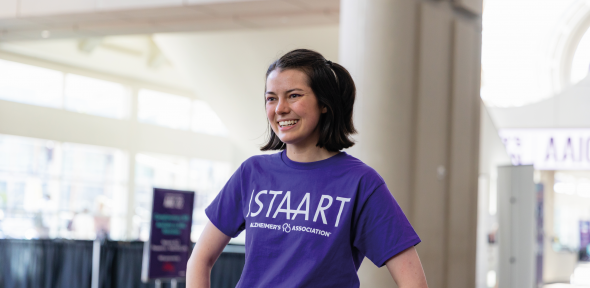
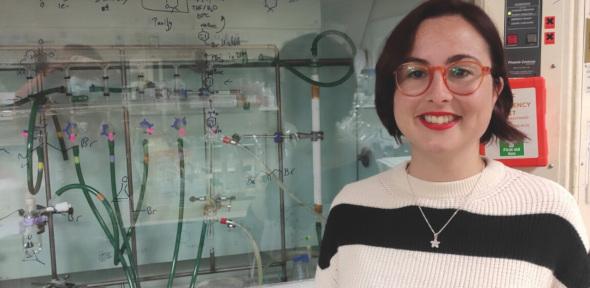
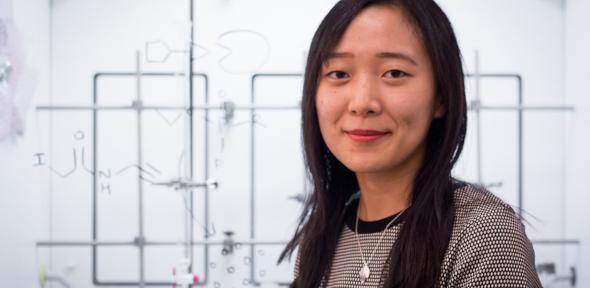
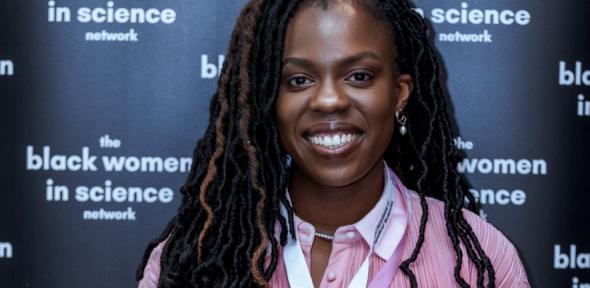
Elizabeth ‘Lizzie’ English wanted to connect with other women in neuroscience but couldn’t find quite the right organisation. So she started the Women in Neuroscience Network in the UK.
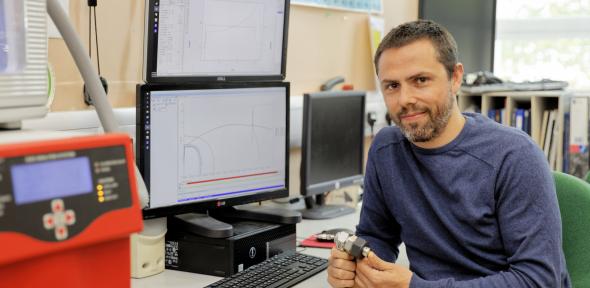
“We will be working to advance the performance of fast charging, long life batteries for automotive,” explains Dr Israel Temprano, who has received a grant as part of a collaboration to research ultra-fast charging batteries.
Researchers at Balasubramanian Group spin-out Cambridge Epigenetix have found a new way to sequence genetic and epigenetic information in the same work flow, which could help detect diseases like cancer.
Biodesign: DNA-inspired architecture to treat cancer
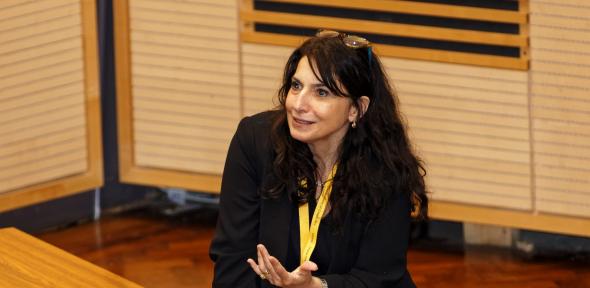
Professor Hanadi Sleiman leads the 2023 Cambridge Energy Transition Lecture, Nathan Pitt, University of Cambridge.
Professor Hanadi Sleiman spoke on her work on DNA nanostructures and how they can be applied to drug design and delivery at the 2023 Cambridge Energy Transition Lecture here in January.
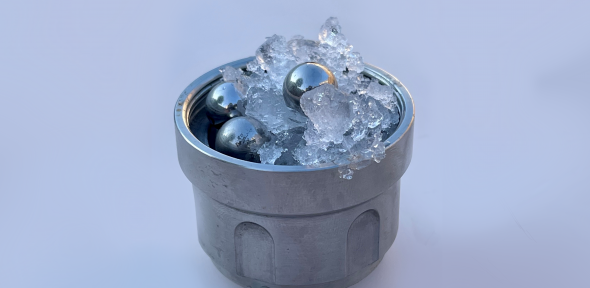
Part of the setup for creating medium density amorphous ice, Christoph Salzmann
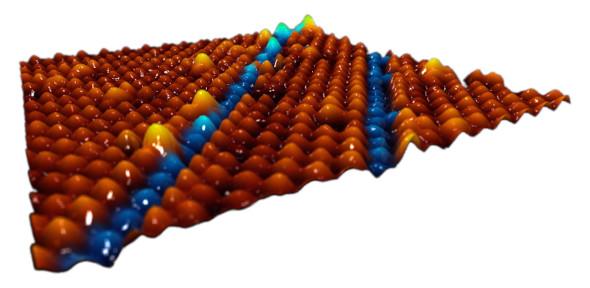
A collaboration between scientists at Cambridge and UCL has led to the discovery of a new form of ice that more closely resembles liquid water than any other and may hold the key to understanding this most famous of liquids.
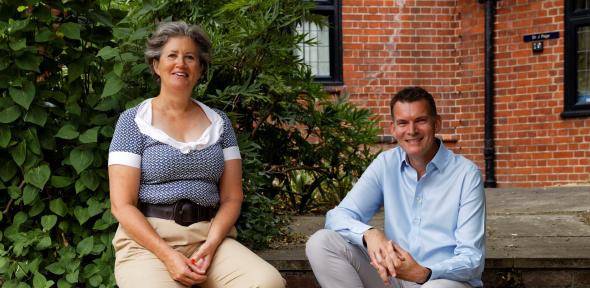
Cambridge Oncology, a new company co-founded by Professor Melinda Duer and James Harrison, CEO of Cycle Pharmaceuticals, is pioneering a new drug that combats cancer tumours by targeting their environment.
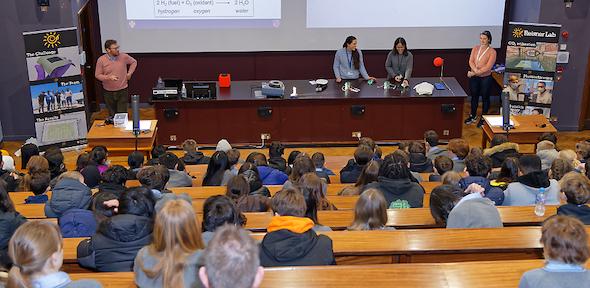
The Reisner Lab Outreach Team teach chemistry in an entertaining way, courtesy @ChemistryPhotograph
A group of students recently attended a lecture peppered with fun-filled experiments to illustrate the serious issue of how to combat climate change in an entertaining and informative way.
New DNA sequencing method ‘lifts veil’ from genome black box
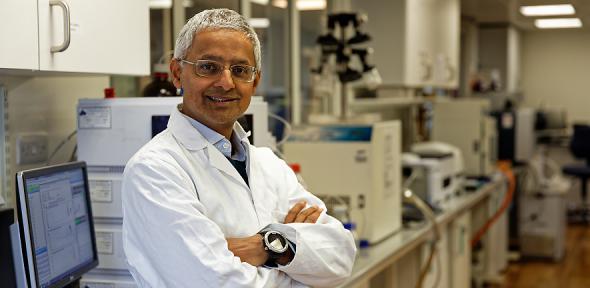
Professor Sir Shankar Balasubramanian, courtesy @Chemistry
Many life-saving drugs directly interact with DNA to treat diseases such as cancer, but scientists have struggled to detect how and why they work – until now.
Solar-powered reactor turns plastic and greenhouse gases into sustainable fuels
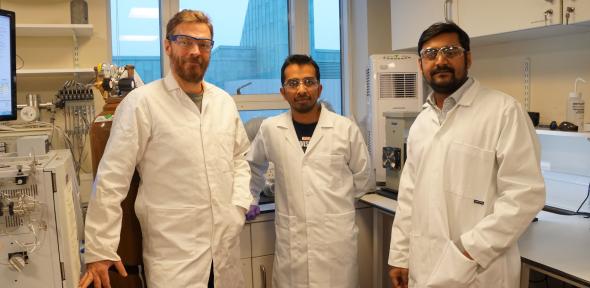
(Left to right) Erwin Reisner, Subhajit Bhattacharjee, Motiar Rahaman. Taken by Carolina Pulignani.
The Reisner group has developed a solar-powered reactor that converts two distinct waste products; greenhouse gases and plastics, into useful products at the same time.
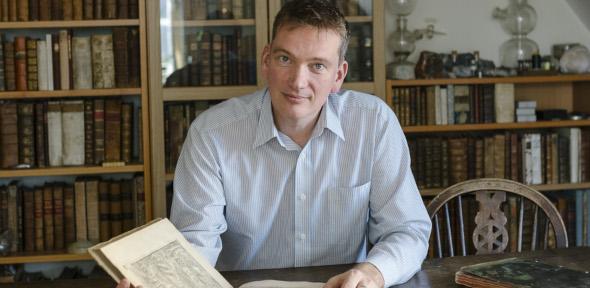
Join us in person at St Catharine's College, or via a live stream link on YouTube, to hear Dr Peter Wothers discuss how Jane Marcet defied the prejudices of her time and published a book about chemistry for women.