Read more

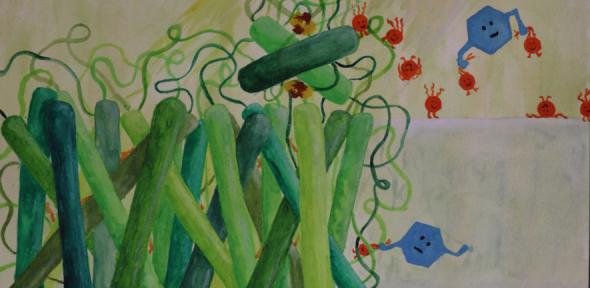
Early career researcher recognised for her antibody research

Courtesy @Chemistry

Bernardes Group researcher Dr Yanira Méndez Gómez has won the Otto Bayer Early Excellence in Science Award.


Read more

New ice is like a snapshot of liquid water

Part of the setup for creating medium density amorphous ice, Christoph Salzmann

A collaboration between scientists at Cambridge and UCL has led to the discovery of a new form of ice that more closely resembles liquid water than any other and may hold the key to understanding this most famous of liquids.


Read more

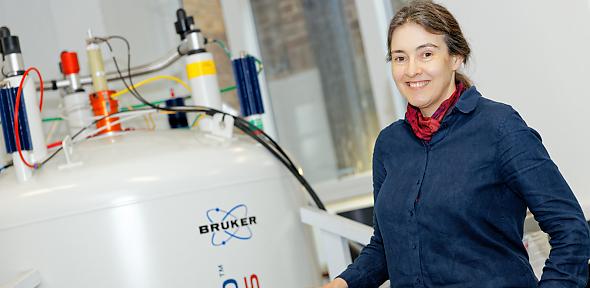
Cambridge Oncology: the start up rethinking cancer therapy

Melinda Duer and James Harrison at Robinson College taken by Nathan Pitt, ©University of Cambridge

Cambridge Oncology, a new company co-founded by Professor Melinda Duer and James Harrison, CEO of Cycle Pharmaceuticals, is pioneering a new drug that combats cancer tumours by targeting their environment.


Read more

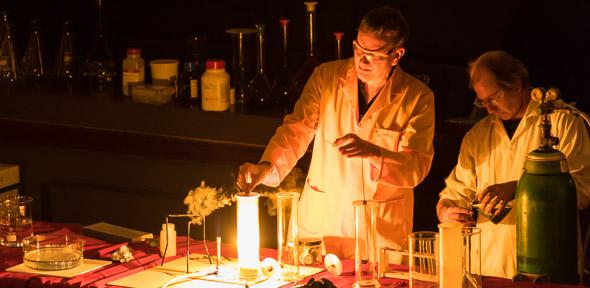
Learning about a world powered by sunlight

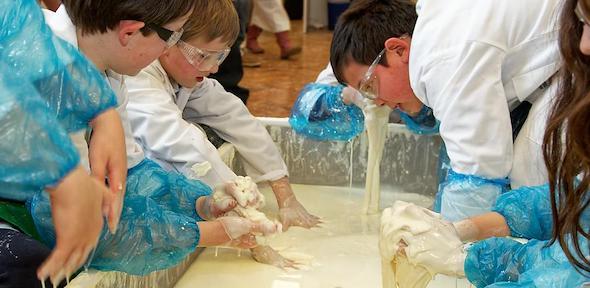
The Reisner Lab Outreach Team teach chemistry in an entertaining way, courtesy @ChemistryPhotograph

A group of students recently attended a lecture peppered with fun-filled experiments to illustrate the serious issue of how to combat climate change in an entertaining and informative way.


Read more

Pepper plant may provide nasal treatment for COVID-19

First author Dr Cong Tang, courtesy IMM

Researchers in the Bernardes group have discovered that a molecule from the long pepper plant could actively combat different variants of COVID-19.


Read more

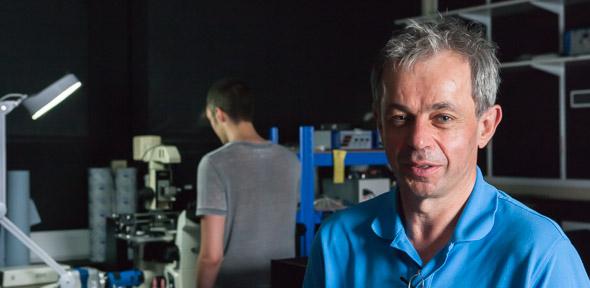
New DNA sequencing method ‘lifts veil’ from genome black box

Professor Sir Shankar Balasubramanian, courtesy @Chemistry

Many life-saving drugs directly interact with DNA to treat diseases such as cancer, but scientists have struggled to detect how and why they work – until now.


Read more

New surface science textbook launched

Image courtesy DC Madden, SM Driver and SJ Jenkins

Professor Stephen Jenkins’ new surface science textbook is due to be published on 31 January.


Read more

Solar-powered reactor turns plastic and greenhouse gases into sustainable fuels

(Left to right) Erwin Reisner, Subhajit Bhattacharjee, Motiar Rahaman. Taken by Carolina Pulignani.

The Reisner group has developed a solar-powered reactor that converts two distinct waste products; greenhouse gases and plastics, into useful products at the same time.


Read more

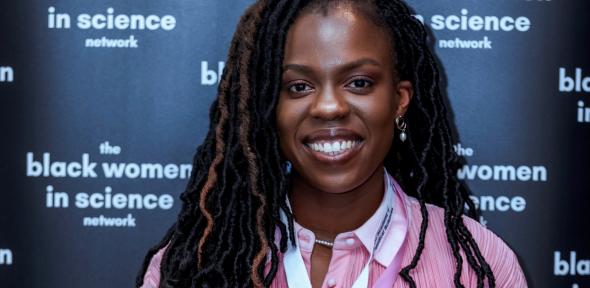
Black Women in Science Network brunch

PhD student and Network founder Tomi Akingbade

The Black Women in Science Network is putting on its first live brunch on 11 March, hosted here in the Department.


Read more

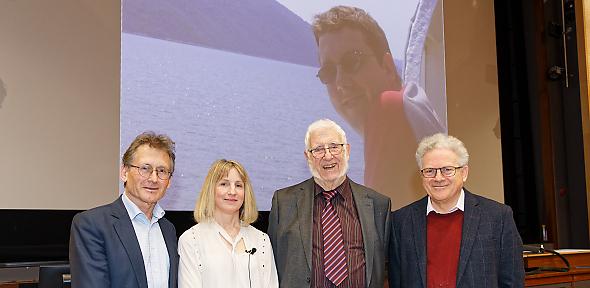
Register now for Alumni Lecture 11 February

Dr Peter Wothers, courtesy Chemistry Photography

Join us in person at St Catharine's College, or via a live stream link on YouTube, to hear Dr Peter Wothers discuss how Jane Marcet defied the prejudices of her time and published a book about chemistry for women.


Read more

New 1920 Professor of Physical Chemistry

Our new 1920 Professor of Physical Chemistry, courtesy Nathan Pitt

Professor Tuomas Knowles has been elected as the department’s new 1920 Professor of Physical Chemistry.


Read more

Glove recycling scheme reduces carbon footprint

Forse group members gather for litter picking

Forse group PhD student Chloe Balhatchet has launched a glove recycling scheme which will help decrease the department’s carbon footprint. 


Read more

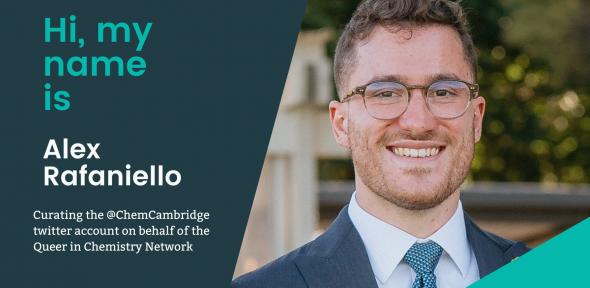
Srijit Seal takes over our Twitter account

Third year PhD student Srijit Seal, a member of Professor Andreas Bender’s group, took over our Twitter account @ChemCambridge on 8 December 2022.


Read more

New technique illuminates the inside of batteries

PhD student Alice Merryweather is a member of the Faraday battery project team

A new, low-cost technique for measuring energy storage inside operating batteries should speed up the development of next-generation battery materials.


Read more

Learning to use AI to help solve Alzheimer's disease

PhD student Ryan Geiser was inspired to research Alzheimer's disease

Just weeks before losing his grandfather to Alzheimer’s, Ryan Geiser took a genetic test that showed he had a slightly increased risk of developing the same debilitating disease.