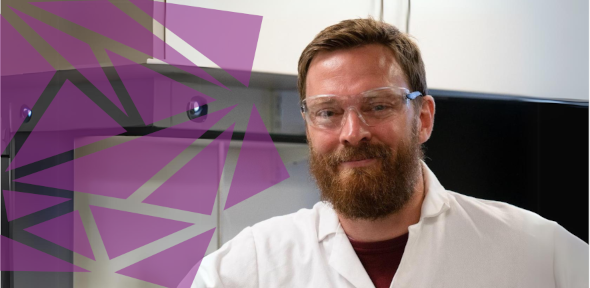
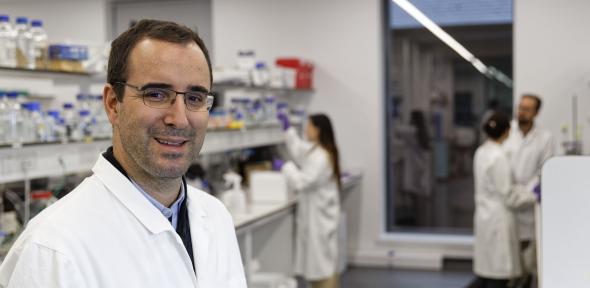
Kelly Chibale recognised for drug discovery research
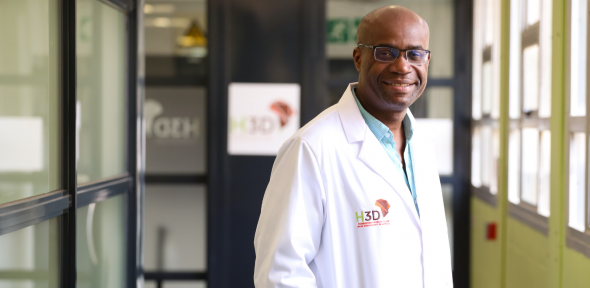
Kelly Chibale (Queens’ 1989), who completed his PhD in synthetic organic chemistry with Stuart Warren, already has a string of honours and awards to his name and he’s just received two more.
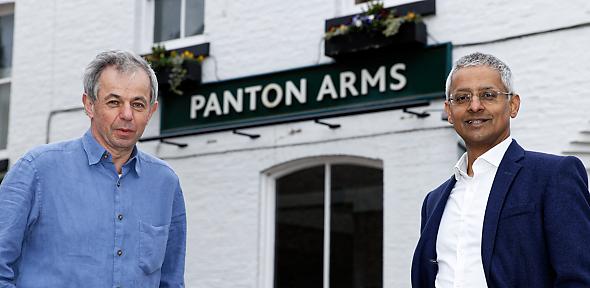
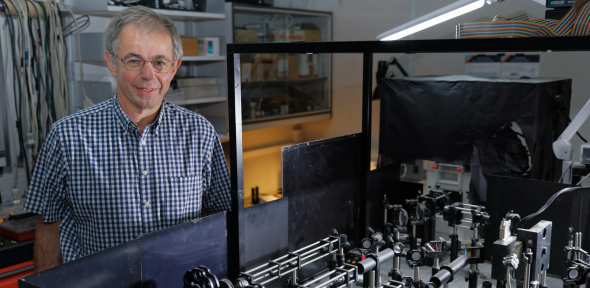
Klenerman (left) and Balasubramanian in front of the pub where it all happened.
Professors Sir David Klenerman and Sir Shankar Balasubramanian have been awarded the 2024 Novo Nordisk prize for their co-invention of Next Generation DNA Sequencing, which has transformed medicine and science.
Lambda recognised for its light-management technology
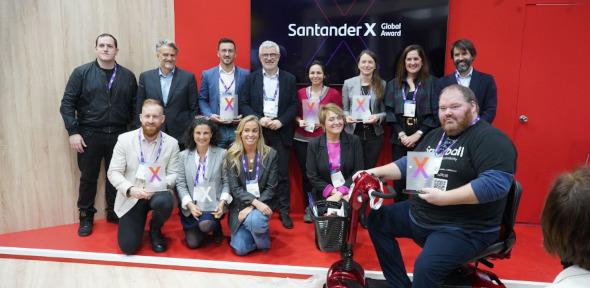
The Santander winners, courtesy Lambda Energy
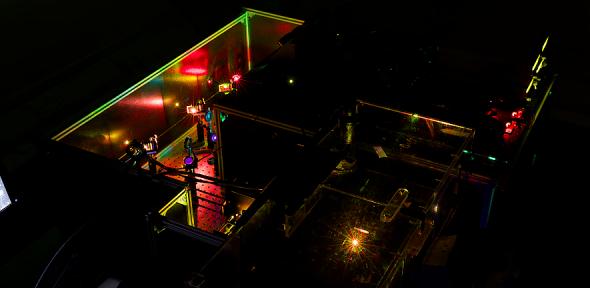
Lambda Agri, a company embedded in Professor Dominic Wright’s research group, has received another prestigious award for its light-management technology that is used to increase crop yields.
Professor Erwin Reisner, courtesy Cambridge Festival
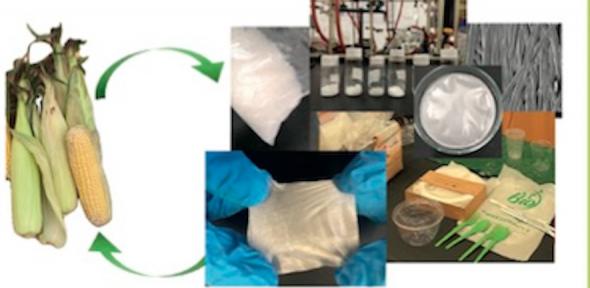
Professor Erwin Reisner will show how his group is developing ways to turn carbon dioxide, biomass and plastic waste into precious resources to underpin a solar-powered economy at his Open Day lectures in the Wolfson Theatre on Saturday 16 March.
Three-dimensional single-molecule localisation microscopy made faster than ever using microlenses to ‘see around corners.’ Researchers have used this to observe living white blood cells at the nanoscale.
Brighter, cheaper blue light could revolutionise screen technology
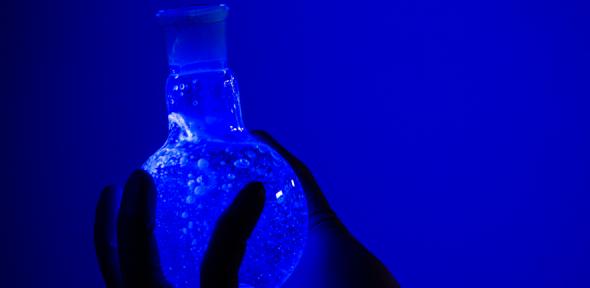
A solution of the new molecule glowing under UV light, credit Craig Yu & Petri Murto
A team of researchers led by the University of Cambridge has found a new way to simplify the structure of high efficiency blue organic light-emitting diodes (OLEDs), which could lead to longer-lasting and higher definition television screens.
New schemes aim to widen participation in postgrad education
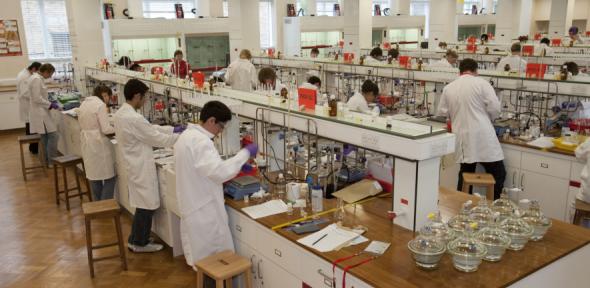
Learning new research skills in the Yusuf Hamied Department of Chemistry
Two new widening participation schemes will provide research experience to students from underrepresented groups and support their postgraduate applications.
As part of NOVA-MRI (Novel Applications in 19F Magnetic Resonance Imaging), scientists have designed new molecules that identify particular cells accurately, for example, identifying cancer cells instead of healthy cells.
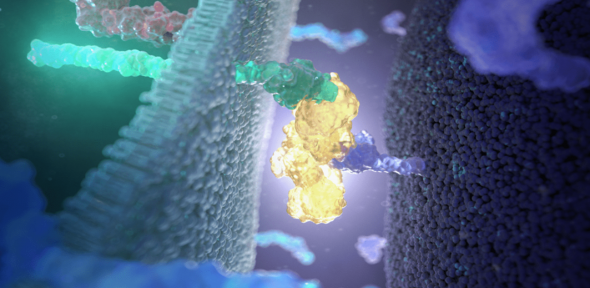
New study provides framework for optimising the design of antibody therapeutics
This breakthrough provides a basis for designing therapeutic antibodies, which could be used in new and improved therapies for cancer and autoimmune diseases.
Researchers in the Klenerman group have developed a new biomarker for Parkinson’s disease that paves the way to an early-diagnosis blood test and more effective treatment.
Nano insights: exploring the quantum forces between water and carbon
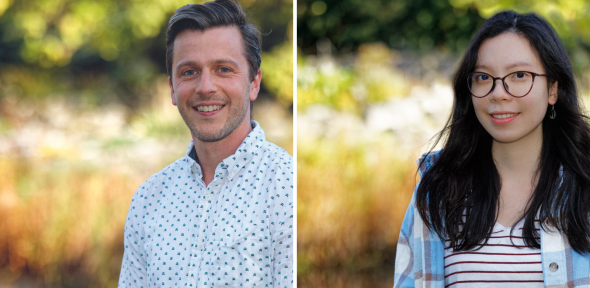
Stephen Cox and Anna Bui in the botanical gardens
It has been one year since Dr Stephen Cox became a Royal Society University Research Fellow. Since then, he and his growing team have been busy figuring out the fundamentals of friction between individual atoms.