The Department of Chemistry will shortly be deciding which applications to support for Royal Society University Research Fellowships (URF), to start in October 2018.
The University of Cambridge has launched a new initiative in collaboration with the organisation My Family Care to deliver family-friendly backup care to employees.
£5 million gift will help fight Parkinson's and Alzheimer's
Image courtesy University of Cambridge
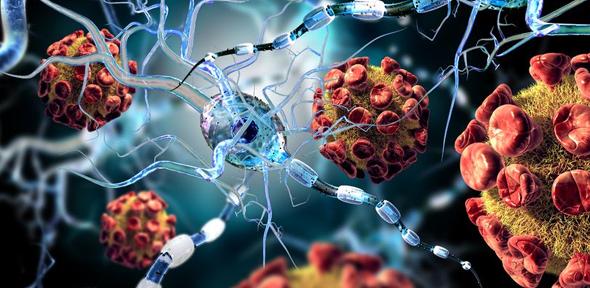
A gift from a Cambridge alumnus will support fundamental research into the causes of disorders such as Alzheimer’s and Parkinson’s disease, enabling new approaches to combat them.
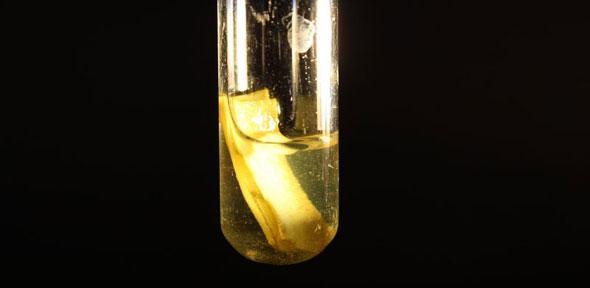
Researchers in the Reisner Group have developed a way of using solar power to generate a fuel that is both sustainable and relatively cheap to produce.
The Association of British Turkish Academics 2017 Doctoral Researcher Awards, which promote and award scientific excellence among young researchers pursuing doctoral awards in the UK, are now open.
Squalamine could lead to treatments for Parkinson's disease
Photo: Getty Images
Researchers working in the Centre for Misfolding Diseases (CMD) have discovered a naturally-occurring compound that could be used as the basis of a new treatment for Parkinson’s disease.