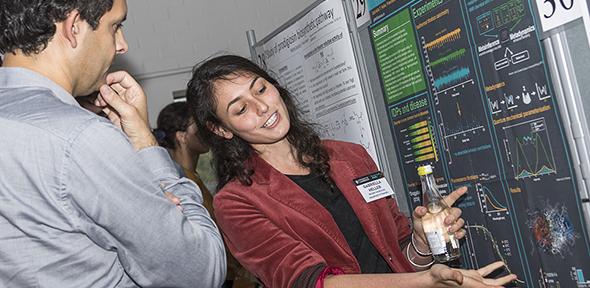
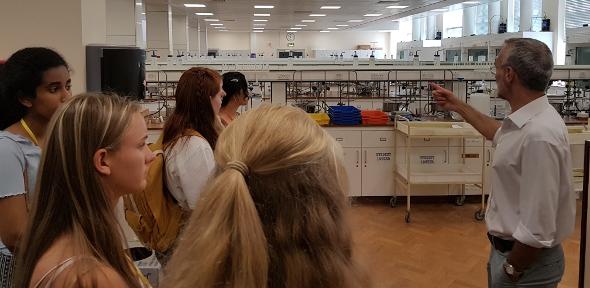
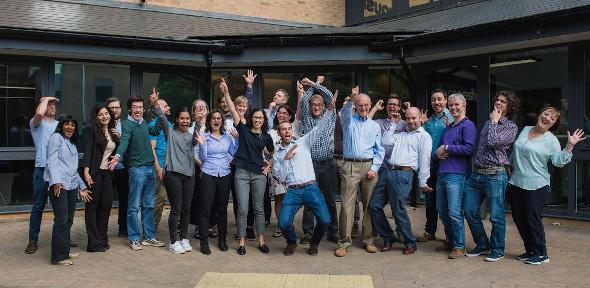
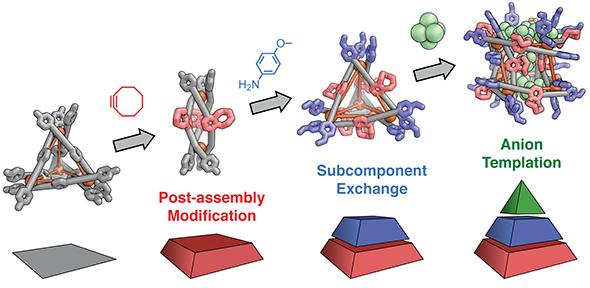
This week is Chemistry Showcase Week when, to enhance their science communication skills, our postgraduate students must present their research to all of us.
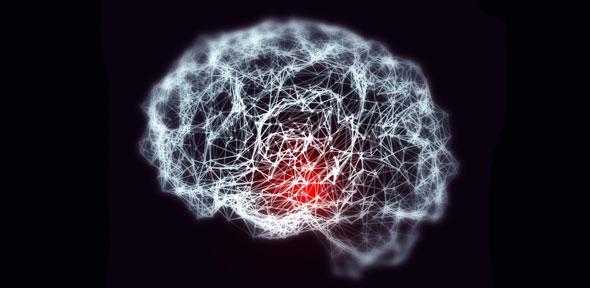
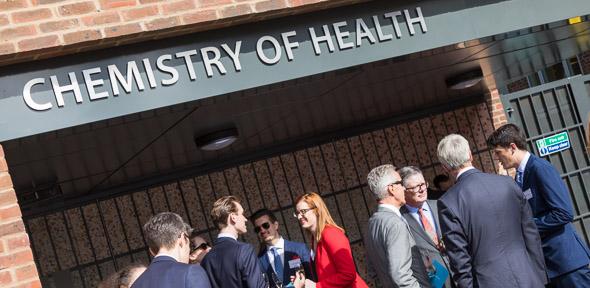
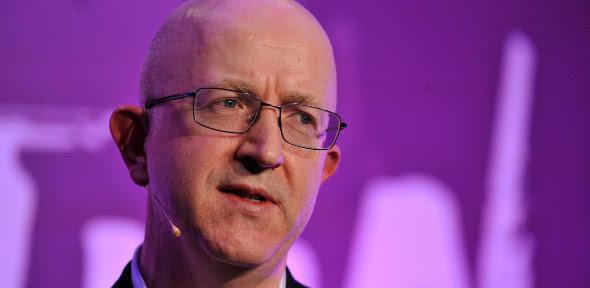
"Our scientists and this building offer hope," said Vice-Chancellor Professor Stephen Toope as he opened the Chemistry of Health building, dedicated to combating diseases like the neurodegenerative disorders Alzheimer's and Parkinson's.
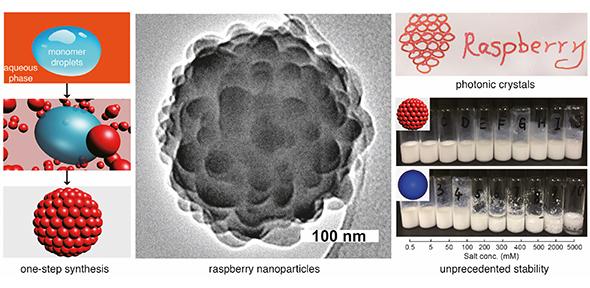
Researchers discover unexpected stability of “raspberry” colloids
Image courtesy of the Melville Laboratory
Researchers from the department’s Melville Laboratory for Polymer Synthesis have created a new raspberry-like colloid whose unexpected stability creates the potential for many new uses.
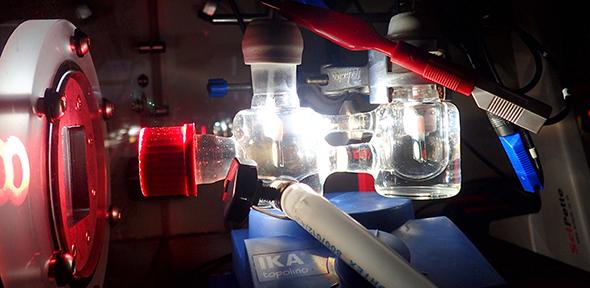
Researchers discover how to 're-wire' photosynthesis
Image courtesy of Katarzyna Sokół
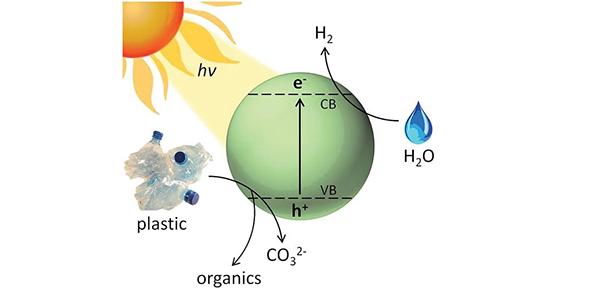
Scientists here have found a way to 're-wire' photosynthesis so that it can split water into hydrogen and oxygen much more efficiently than is presently possible.
A Cambridge company co-founded by a Chemistry alumnus and department member has just received a boost of $10 million (~£8 million) in Series A funding for its fight against rare diseases.
Artificial Intelligence could speed up cancer drug discovery
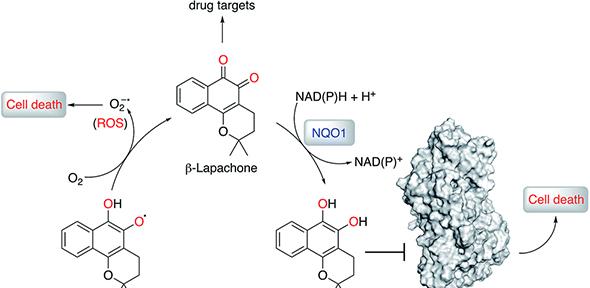
Artificial intelligence could offer faster and cheaper ways of finding new cancer drugs, according to researchers who successfully used AI to identify an inhibitor for an enzyme that is over-expressed in a range of tumours.
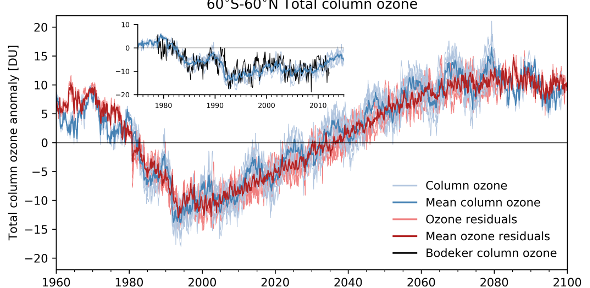
Department researchers detect early signs of ozone recovery
Courtesy Dr James Keeble
Researchers in the department’s Centre for Atmospheric Science have used coupled chemistry-climate model simulations to confirm that the world is making “progress on the road to ozone recovery.”