New approach could lead to improved therapeutic antibodies
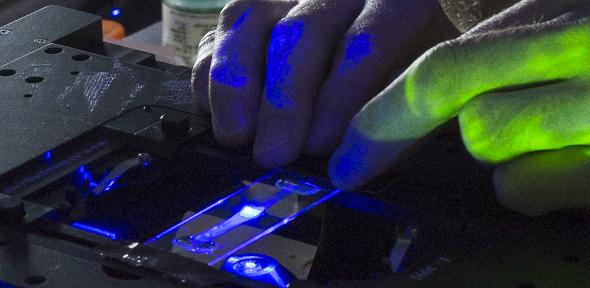
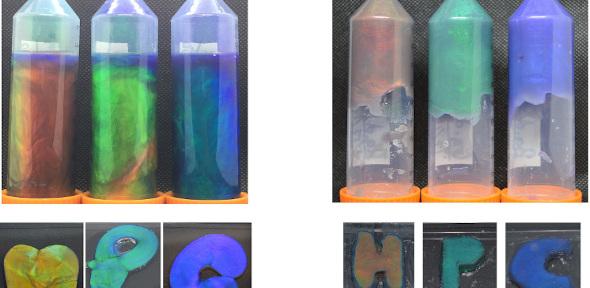
Photo of a microfluidic device, courtesy Department of Chemistry photography
A new approach to measuring how internal forces affect biomolecules has increased understanding of, and perhaps even the ability to influence, the behaviour of therapeutic antibodies.
Single-step catalysis platform speeds drug discovery
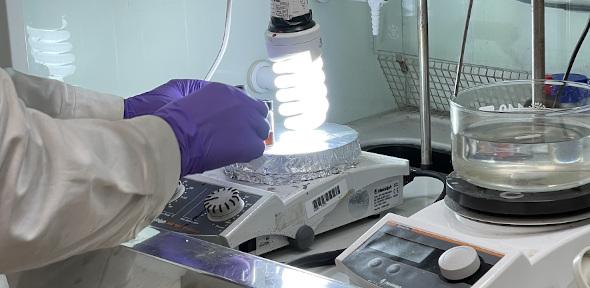
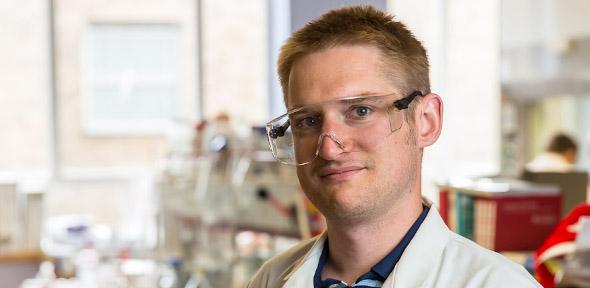
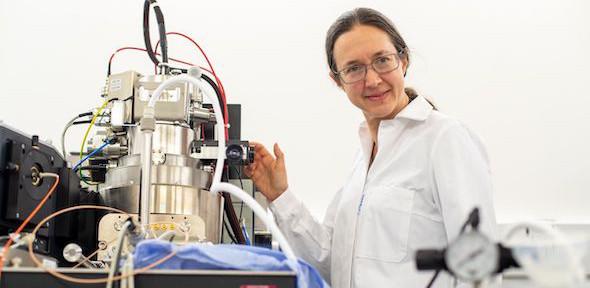
PhD student Yusra Abdelhamid working in the lab, courtesy Gaunt group
Researchers here have developed a single-step method to synthesise a molecular structure important in drug discovery, which will dramatically speed the search for new drug therapies for pain, neurological disorders and opioid addiction.
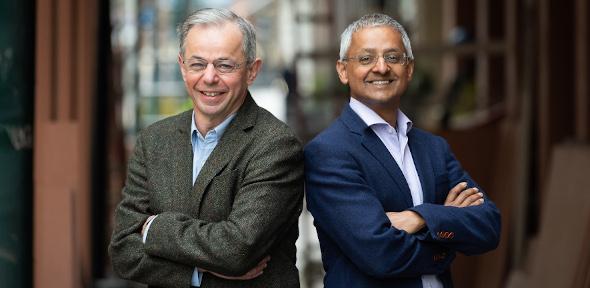
Professors Shankar Balasubramanian and David Klenerman have been awarded the 2022 Breakthrough Prize in Life Sciences - the world's largest science prize.
Climate scientist recognised for outstanding research
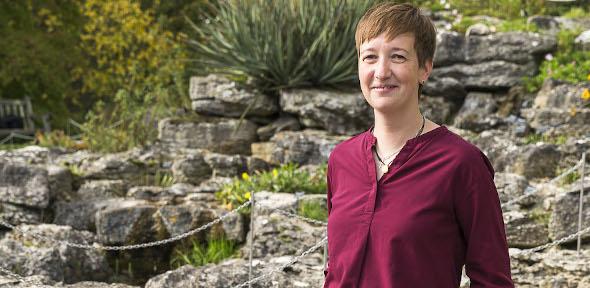
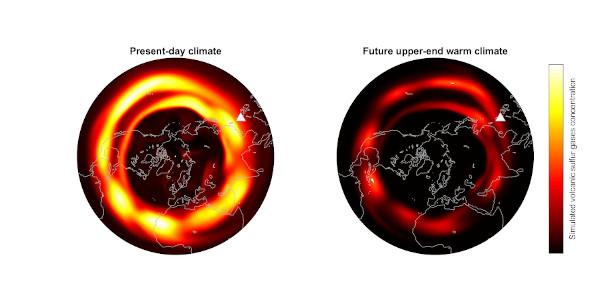
Dr Anja Schmidt, courtesy Gabriella Bocchetti
Dr Anja Schmidt has been recognised by the American Geophysical Union (AGU) for significant contributions to the geophysical sciences by an outstanding early career scientist.
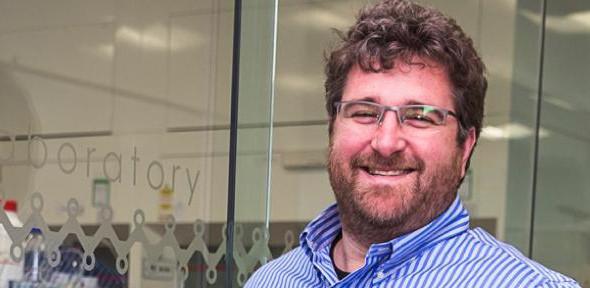
Dr Stephen Cox awarded Royal Society University Research Fellowship
Courtesy Stephen Cox
Dr Stephen Cox has been awarded a prestigious Royal Society University Research Fellowship, which will give him the freedom to pursue “interesting, fundamental scientific questions.”
Members of the Department cricket team, courtesy Dept of Zoology
After last year’s Covid-imposed hiatus, a number of enthusiastic researchers joined together to play cricket in the University Inter-departmental Cricket League in June and July.
Startling inequities in research funding distribution create a huge, unacknowledged barrier to women in the STEMM subjects, said Professor Rachel Oliver in a departmental webinar in June.
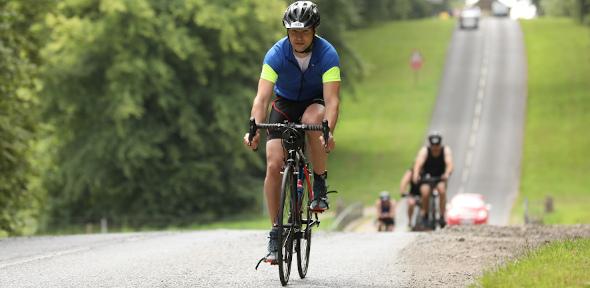
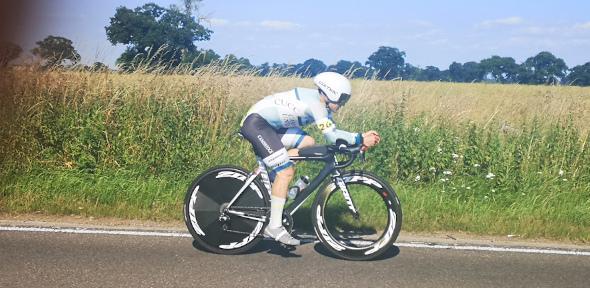
PhD student Tim Welsh represented Cambridge University Cycling Club in the National 24-hour Time Trial Championships in July, placing 4th out of a total of 63 competitors on a blisteringly sunny weekend in July.
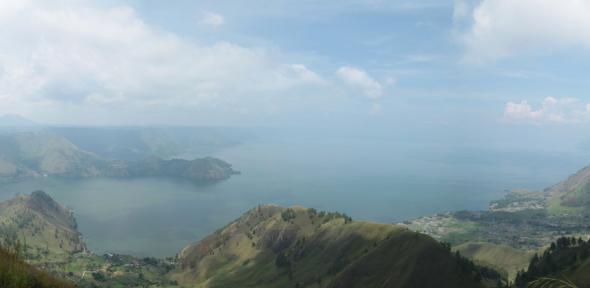
A massive volcanic eruption in Indonesia about 74,000 years ago likely caused severe climate disruption in many areas of the globe, but early human populations were sheltered from the worst effects.