
Researchers in the Department of Chemistry at the University of Cambridge and the University of Basel have developed small molecules that could make cancer immunotherapies more effective against tumours that are typically difficult to treat.
The small molecules activate immune cells that are nearby a tumour and programme them to engulf cancer cells. The molecules also weaken the tumour’s defences against the immune system and make them more susceptible to attack. The researchers have been targeting cold tumours, which create a protective barrier of cells around the tumour that often means they do not respond to immunotherapy.
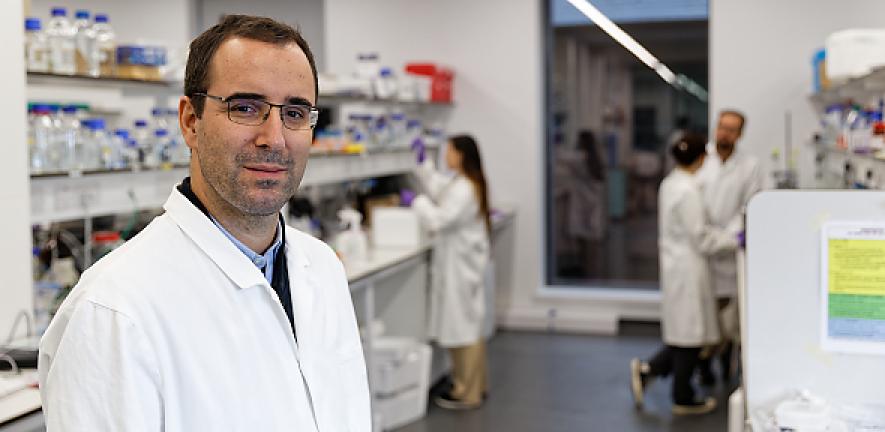
The research, published in Cancer Research, was led by Professor Gonçalo Bernardes, who is also associated with the Spanish National Cancer Research Centre (CNIO) in Madrid. He says: "Immunotherapy has focused almost entirely on T cells, but the myeloid cells that dominate most solid tumours have been the missing piece. Our work shows they can be reprogrammed to attack the tumour rather than shield it."
The molecular bridge
Cold tumours are a type of cancer that can evade the body’s natural immune defences. They are surrounded by a barrier of cells and other factors that prevent immune cells from reaching and attacking the cancer. Most cancers of the breast, ovary, prostate, pancreas and brain are considered cold tumours. These tumours typically do not respond well to immunotherapy, making it essential to find new ways to treat them.
Small molecules called Phagocytic Synapse Enhancers (PSEs) create a bridge between immune cells and cancer cells, helping to overcome this immune barrier. This gives immune cells direct access to the cancer cells, allowing them to engulf and break them down.
Cancer cells can also alter the tissue around them to make it more difficult for the immune system to attack. PSE molecules prompt immune cells to release a chemical that weakens this barrier.
Dr Valerio Sabatino, first author of the study and a research associate in Gregor Hutter’s group in Basel, explains: “We are reprogramming the tumour microenvironment from one that supports the tumour to one that works against it. We are essentially creating a molecular bridge between the tumour cells and the macrophages and giving the macrophages the signal to attack.”
Sabatino conducted the study in Cambridge and Basel with support from a Postdoc.Mobility grant from the Swiss National Science Foundation.
The text in this work is licensed under a Creative Commons Attribution-NonCommercial-ShareAlike 4.0 International License.
Images, including videos, are Copyright © University of Cambridge and licensors/contributors as identified. All rights reserved. We make our image and video content available in a number of ways that permit your use and sharing of our content under their respective terms.
