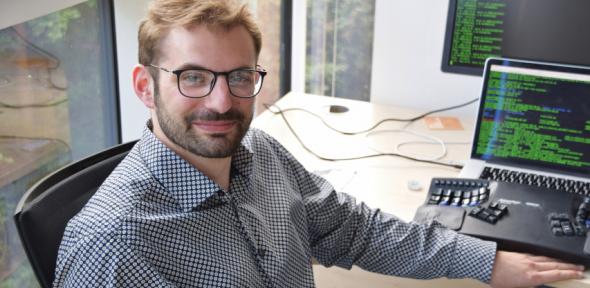
As IBM Research Global Lead for AI Enriched Modelling and Simulation, and a visiting Professor at Liverpool, alumnus Ed Pyzer-Knapp was already a busy man. Instead of cutting back, he has now launched a new journal highlighting AI research.
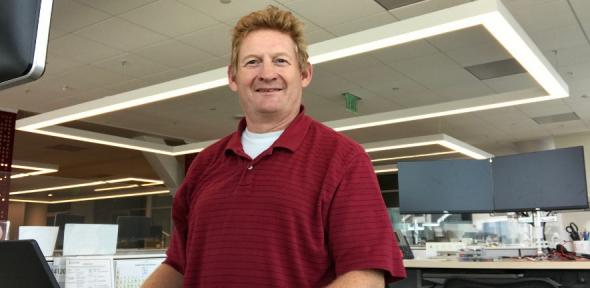
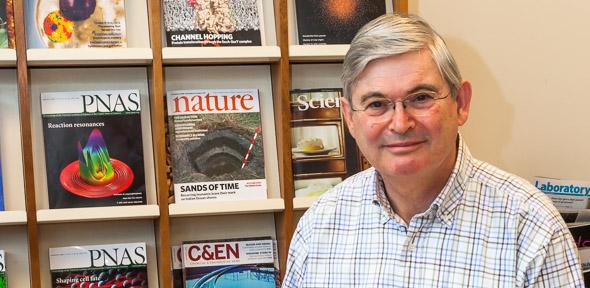
Alumnus Richard Mackman in his office at Gilead Sciences
As a third-year undergrad here, Richard Mackman gradually realised what he wanted to do: “I wanted to create something as a chemist that would make a difference,” he says. And with the development of the anti-Covid drug remdesivir, he has.
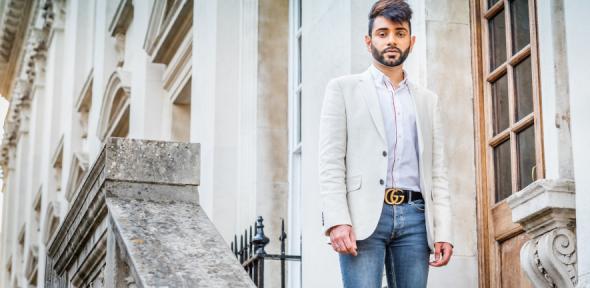
Areeb Mahtey, who is studying for a PhD in epigenetics, explains why science and fashion have more in common than you might think, and how in the future he hopes to combine his two passions.
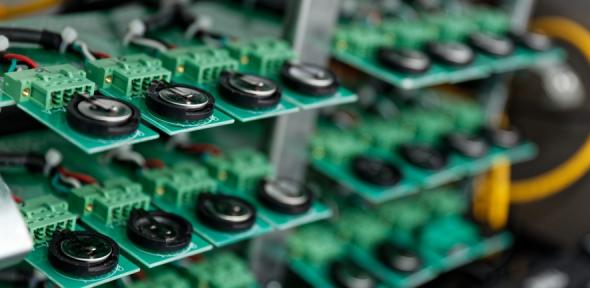
Image of coin cells courtesy Department of Chemistry photography
Researchers have identified a potential new degradation mechanism for electric vehicle batteries – a key step to designing effective methods to improve battery lifetime.
Wireless device makes clean fuel from sunlight, CO2 and water
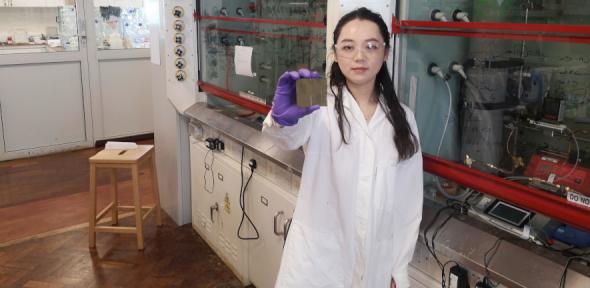
Image of Dr Qian Wang courtesy University of Cambridge
Researchers here have developed a stand-alone device that converts sunlight, carbon dioxide and water into a carbon-neutral fuel, without requiring any additional components or electricity.
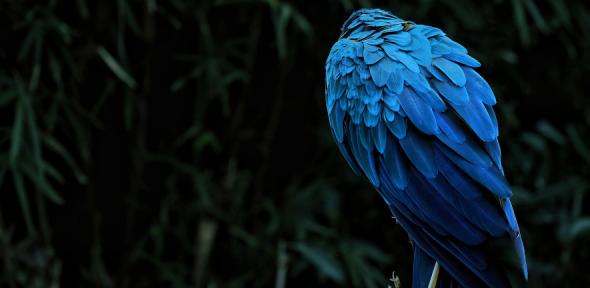
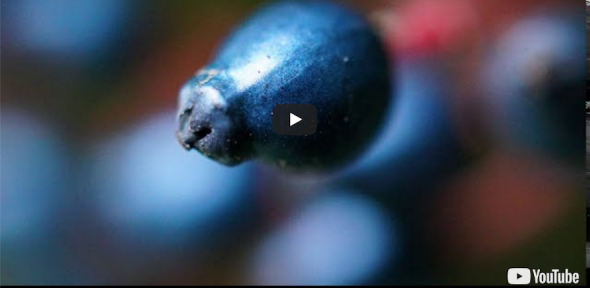
Researchers have found that a common plant owes the dazzling blue colour of its fruit to fat in its cellular structure, the first time this type of colour production has been observed in nature.
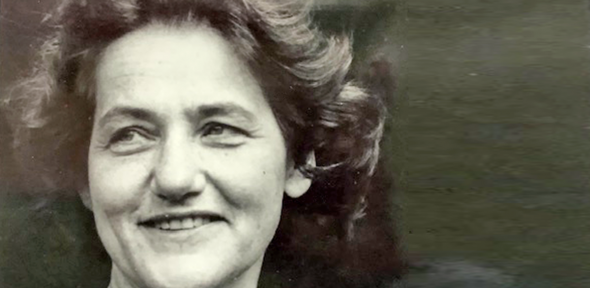
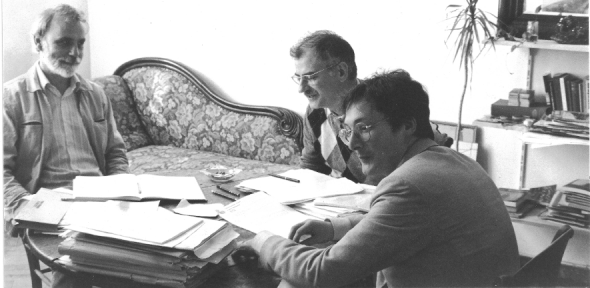
Dr Olga Kennard FRS has been awarded the 12th Ewald Prize "for her invaluable pioneering contribution to the development of crystallographic databases".
Protein engineering pioneer awarded Royal Society Copley Medal
Courtesy Nathan Pitt, Department of Chemistry
Emeritus Professor Sir Alan Fersht of this Department has been named as the 2020 winner of the world's oldest scientific prize, the Royal Society's prestigious Copley Medal.
Four-stranded DNA structures found to play role in breast cancer
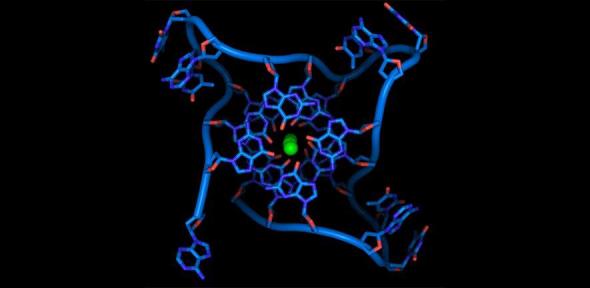
DNA structure courtesy Thomas Splettstoesser
Four stranded DNA structures – known as G-quadruplexes – have been shown to play a role in certain types of breast cancer for the first time, providing a potential new target for personalised medicine.
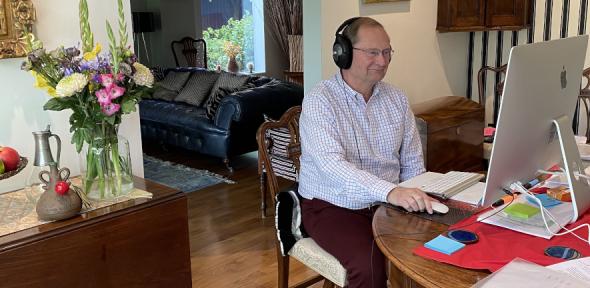
The new normal: Steve skyping with his PA Jacqui Worster from his home computer
On Monday the 20th of July, Professor Steve Ley celebrated a personal milestone: his 888th paper was published online exactly 50 years after the publication of his first research paper in synthetic chemistry.
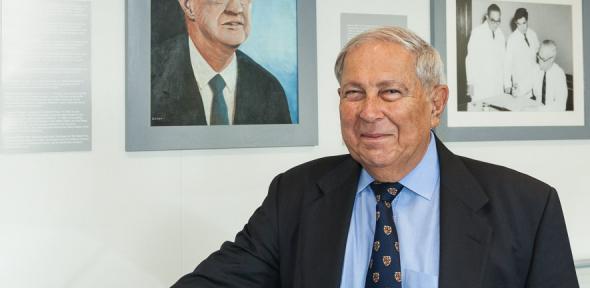
As Chairman of Indian pharmaceutical company Cipla, alumnus Dr Yusuf Hamied is increasing the production of Remdesivir and other anti-Covid-19 treatments for millions of sufferers.