
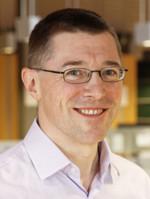
Professor of Chemistry & Chemical Biology / EPSRC Established Career Research Fellow
Our research interests originate from a desire to understand and exploit biological systems using organic synthesis primarily. Listed below are areas of research that we are exploring; for more detailed information visit the Spring Group web pages.
We collaborate with many chemical companies and academic groups around the world. The scientific education of group members in organic synthesis is given a high priority; however, they are encouraged also to learn and perform new techniques relating to their projects with our industrial and academic collaborators. Every effort is made so that group members achieve their career ambitions, usually jobs in academia or the chemical industries.
Watch Professor David Spring discuss his research
Take a quick tour of the Spring Lab
For more detailed information please visit the Spring Group research pages.
Teaching
If you are looking for the teaching material from my lecture courses, then please go to the Moodle website.
Publications
For a list of all our publications please visit the Spring Group publication page.
Publications
- 1 of 41